



ethyos - Creatine Monohydrate 3 g
What this formula is designed for
This product provides a single ingredient: creatine monohydrate at 3 g per serving. Creatine is widely used in sports nutrition to support performance during repeated, high-intensity efforts. The formula is focused and does not combine additional vitamins, minerals, or botanicals.
Because it is a single-active product, it can be integrated into different routines depending on training goals. It is typically used alongside consistent resistance training, adequate protein intake, and overall energy intake. Individual responses can vary based on training status and daily diet.
Primary focus: athletic performance
Creatine monohydrate supports the body’s phosphocreatine system, which helps regenerate ATP during short, intense bouts of activity. This is most relevant for activities like weight training, sprinting, and repeated intervals. Many people use creatine to help maintain output across sets and sessions.
The 3 g serving size aligns with common daily maintenance intakes used in practice. Consistency of use is often emphasized, as creatine works by building and maintaining muscle creatine stores over time. Hydration and overall carbohydrate and protein intake can influence training outcomes.
Energy support during demanding training
Creatine monohydrate is often selected to support energy availability during repeated efforts rather than steady-state endurance. By supporting rapid ATP regeneration, it may help with training density and the ability to repeat high-quality sets. This can be useful in strength, power, and mixed-modal training plans.
For practical use, creatine can be taken at a consistent time each day, with or without food. Some users prefer taking it around workouts for routine adherence, while others take it with a meal. The key is regular daily intake.
Muscle function and training adaptation context
Creatine monohydrate is commonly used in programs aimed at supporting muscle function and performance outcomes from resistance training. It is not a substitute for training, but it can complement progressive overload and adequate recovery. Pairing creatine with structured training and sufficient sleep supports a well-rounded approach.
Body weight changes can occur for some users due to shifts in water balance within muscle tissue. This is a normal consideration when tracking scale weight during a training block. Adjusting expectations and monitoring performance metrics can be helpful.
Supportive roles beyond training
Creatine is also present in tissues with high energy demand, which is why some people consider it for general mental performance support. This is a secondary, supportive use and may be more noticeable in specific contexts such as high workload or reduced sleep. Lifestyle factors remain the foundation for cognitive and energy support.
As a single-ingredient product, it can be stacked with other supplements if desired, while keeping the overall regimen simple. If combining with other products, it is sensible to review total intake and personal tolerance. When in doubt, professional guidance can help tailor use to individual needs.
| Class | Ingredient | Quantity | NRV% |
|---|---|---|---|
| Other active | Creatine monohydrate | 3000.0 mg | 0.0 |
Capsules Ingredients: Matériel végétalien
Allergens:
| Title | Description |
|---|---|
| Kidney disease or impaired renal function – High Risk | Creatine use should be avoided or medically supervised if there is known kidney impairment due to altered creatinine handling and monitoring complexity. |
| Pregnancy – Medium Risk | Not enough high-quality safety data exist for routine creatine supplementation in pregnancy, so use is generally not recommended without professional advice. |
| Breastfeeding – Medium Risk | Not enough safety data exist for supplemental creatine during breastfeeding, so professional guidance is advised. |
| Under 18 years – Medium Risk | Use in minors should be guided by a qualified professional due to limited product-specific safety data and differing nutritional needs. |
| History of dehydration or heat intolerance – Medium Risk | Creatine is often used in training contexts where hydration matters, so individuals prone to dehydration should be cautious and monitor fluid intake. |
| Title | Description |
|---|---|
| Gastrointestinal discomfort – Medium Risk | Some individuals may experience stomach upset, cramping, or loose stools, especially if taken in a large single dose. |
| Temporary water-weight change – Low Risk | A small increase in body weight can occur due to changes in water balance within muscle tissue. |
| Thirst or dehydration sensation – Low Risk | Some users report increased thirst, particularly when training hard or in warm environments. |
| Title | Description |
|---|---|
| Nephrotoxic medications (general) – High Risk | If taking medicines that can affect kidney function, creatine use should be discussed with a healthcare professional. |
| Diuretics – Medium Risk | Diuretics can affect hydration and electrolyte balance, so combining with creatine warrants caution and attention to fluid intake. |
| NSAIDs (frequent/high-dose use) – Medium Risk | Regular NSAID use may add kidney stress in some individuals, so combining with creatine should be approached cautiously. |
| Title | Description |
|---|---|
| General supplement warning – Low Risk | Food supplements should not be used as a substitute for a varied and balanced diet and a healthy lifestyle. |
| Daily dose warning – Low Risk | Do not exceed the recommended daily intake. |
| Children warning – Low Risk | Keep out of reach of young children. |
| Pregnancy and breastfeeding warning – Medium Risk | If you are pregnant, breastfeeding, trying to conceive, or under medical supervision, consult a healthcare professional before use. |
| Kidney health warning – High Risk | Consult a healthcare professional before use if you have kidney disease, reduced kidney function, or are taking medicines that may affect the kidneys. |
| Manufacturing trace warning – Low Risk | May contain very small amounts of allergens due to shared production equipment, even when not present in the ingredient list. |
| Title | Description | Bioavailability |
|---|---|---|
| Creatine monohydrate | Single active used to support phosphocreatine availability for short-burst exercise performance. | Standard creatine monohydrate form used in food supplements with typical absorption characteristics. |
| Allergen | Source Ingredient | Mandatory | Inference |
|---|---|---|---|
| None | None | No | None |
Population & target users: Adults (18+) looking to support high-intensity training performance (e.g., strength, power, repeated sprint/interval work).
How to take: Take 1 serving daily mixed with water or another beverage; can be taken with or without food. Maintain adequate daily hydration, especially during training.
Duration of use: Suitable for ongoing daily use; reassess periodically based on training phase and individual tolerance.
Storage & conservation: Store tightly closed in a cool, dry place away from heat and direct sunlight. Keep out of reach of children.

Bienfaits

Athletic Performance
Creatine monohydrate (3 g) is commonly used to support short-burst, high-intensity training such as sprinting or resistance exercise. It helps replenish phosphocreatine stores used during repeated efforts, which can be relevant for training volume and performance consistency.
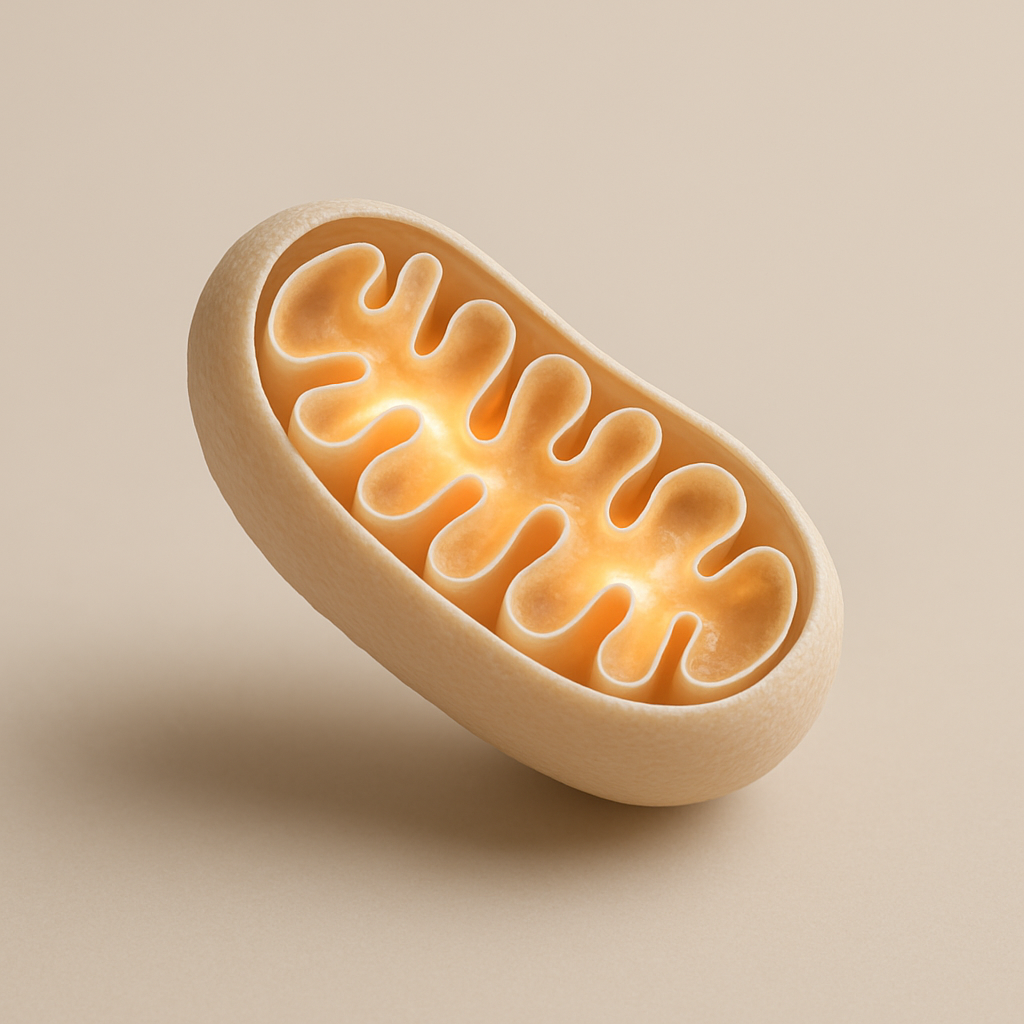
Energy & Endurance
Creatine monohydrate can be used as part of a routine aimed at supporting cellular energy availability during demanding workouts. It is often chosen when the goal is to maintain output across multiple sets or intervals rather than for long-duration endurance alone.

Muscle Health
Creatine monohydrate is frequently included in programs focused on maintaining muscle function alongside strength training. It can also be used during periods of increased training load to support overall training adaptation and recovery routines.

Mental Performance
Creatine monohydrate is sometimes used to support mental performance in situations where energy demand is higher, such as intense study periods or sleep-restricted days. This use is generally considered supportive and may vary between individuals.

Cellular Health
Creatine monohydrate participates in cellular energy buffering via the creatine-phosphocreatine system. This can be framed as a general cellular energy support approach, complementing lifestyle factors like training, nutrition, and sleep.